
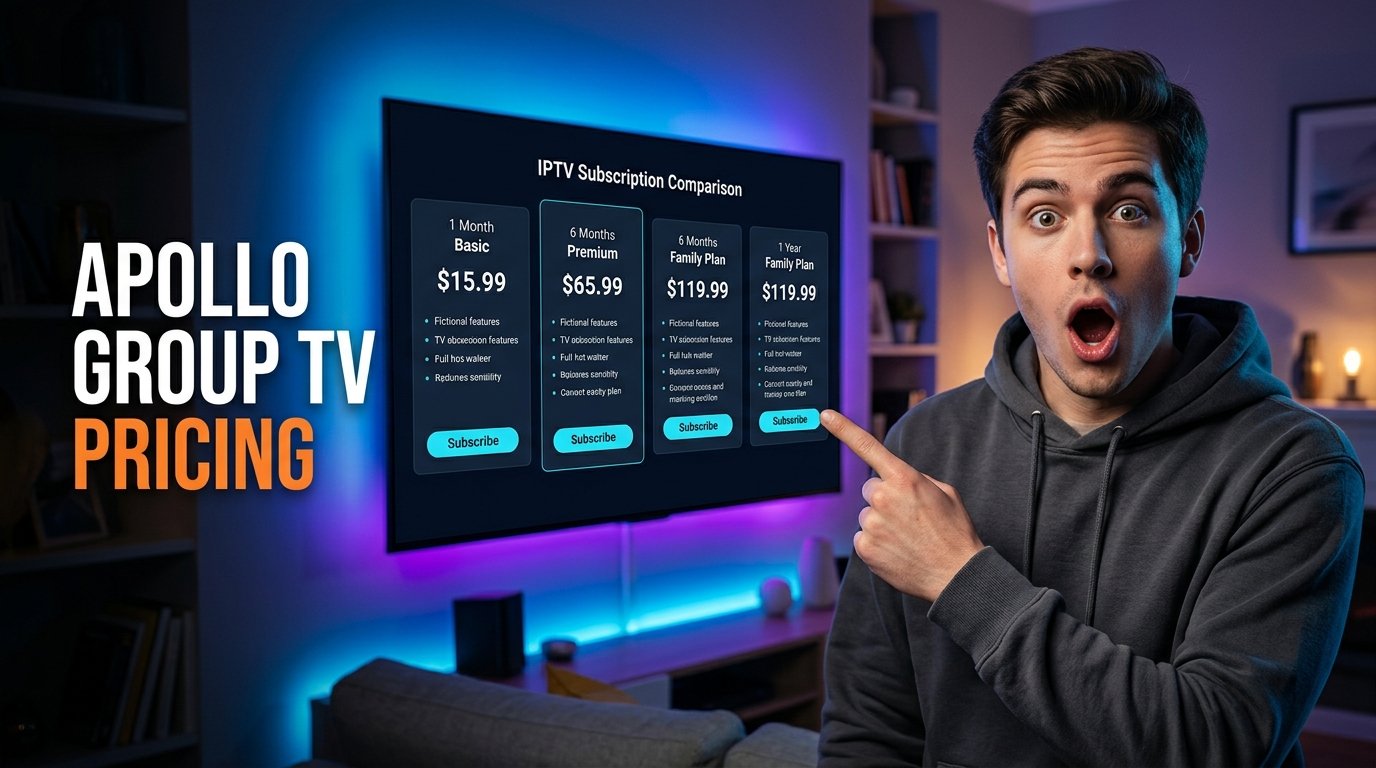
Apollo Group TV pricing should be judged by more than the number shown beside a subscription plan. The real question is whether the plan fits the way you watch television, the device you already own, the channels you care about, and the amount of commitment you are comfortable making. A low headline price can still be poor value if the service does not match your setup, while a longer plan can make sense when you already know the experience works well in your home. Looking at the total picture before paying gives you a much better chance of choosing a plan you will actually use.
This guide approaches Apollo Group TV pricing from a buyer’s point of view rather than simply telling you to choose the cheapest package. You will compare short and long subscriptions, see how device compatibility can affect the real cost, learn which questions matter before paying, and understand when a longer commitment is sensible. You can review the latest Apollo Group TV subscription plans while using the framework below to decide which option fits your viewing habits instead of relying on an old screenshot or a single promotional number.
Quick answer: Apollo Group TV pricing is easiest to evaluate by matching the subscription length to your confidence level. New users usually benefit from more flexibility while they test the service on their own device and internet connection, whereas returning users may care more about the effective monthly cost of a longer plan. Before paying, confirm the channels you actually want, check the installation method for your device, and make sure the commitment period matches how often you expect to use the service.
Table of Contents
Start With Your Viewing Habits, Not the Cheapest Price
The mistake many people make with Apollo Group TV pricing is starting with the price column before deciding what they actually need. A plan can look inexpensive when you divide the total by the number of months, but that calculation means very little if you only watch television occasionally, travel for long periods, or mainly care about a small group of channels. Your first step should be to think about how often you watch, what types of content matter most, and how long you are comfortable committing before you compare one duration with another. Pricing becomes much easier to judge once you know the job the subscription needs to do for you.
For example, a first-time IPTV user and a long-time customer can look at the same Apollo Group TV pricing page and reasonably choose different options. The new user may place more value on flexibility because they still need to test streaming quality, navigation, device compatibility, and everyday reliability. The experienced user may already know that the service fits the household and therefore care more about convenience and the effective monthly cost of a longer subscription. Neither approach is automatically better; the correct decision depends on how much uncertainty you still have.
Which Type of Buyer Are You?
A useful way to make Apollo Group TV pricing feel less confusing is to identify your buyer type before comparing plan lengths. Most people fall into one of four groups: a first-time tester, a regular viewer, a seasonal viewer, or an established user who already knows the service. Each group should evaluate value differently because the risk of paying for unused time is not the same. Thinking in buyer types also stops you from treating the longest subscription as the “best deal” simply because its average monthly cost may be lower.
| Buyer Type | Main Priority | What to Favor | What to Avoid |
|---|---|---|---|
| First-time tester | Learning how the service performs | Flexibility and low commitment | Buying the longest option before testing |
| Regular household viewer | Reliable everyday access | Balance between commitment and value | Choosing only by headline discount |
| Seasonal viewer | Watching during specific periods | A duration that matches actual use | Paying for months you will barely watch |
| Established user | Convenience and long-term value | Comparing effective monthly cost | Renewing automatically without checking current terms |
First-Time Users Should Buy Information, Not Just Time
When you are new, the most valuable thing a shorter subscription can give you is information. You learn whether your internet connection is stable enough, whether your preferred device handles the app comfortably, whether navigation feels usable, and whether the content you care about is actually available. In that situation, Apollo Group TV pricing should be evaluated partly as the cost of reducing uncertainty. Paying a little more per month can still be a rational choice if it prevents you from committing to a longer period before you know whether the setup fits your household.
Returning Users Can Focus More on Long-Term Cost
If you have already used the service for a meaningful period and know the experience works for you, Apollo Group TV pricing becomes a different calculation. You are no longer paying mainly for the ability to test; you are comparing convenience, renewal frequency, and the average amount paid over the full subscription period. A longer plan may become more attractive at that stage, but it should still match your real usage. If your viewing habits have changed since the last renewal, reassess them before assuming the same duration is still the best choice.
How Subscription Length Changes Apollo Group TV Pricing
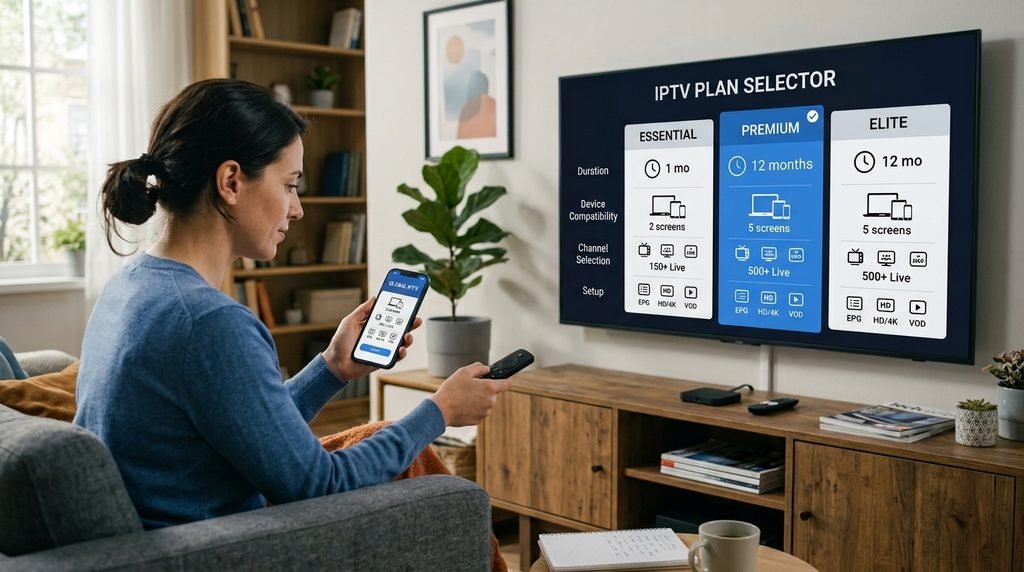
Subscription duration has a large effect on how Apollo Group TV pricing feels in practice. Shorter plans usually give you more freedom because you can stop or change direction sooner, while longer plans may reward commitment with a lower effective monthly cost or less frequent renewal. The trade-off is simple: flexibility protects you from uncertainty, while commitment can improve long-term value when you already know you will keep using the service. The mistake is assuming that the lowest monthly average is automatically the strongest deal for every person.
To compare Apollo Group TV pricing properly, look at both the total amount paid and the amount of time you are buying. Then ask yourself whether you are likely to use most of that period. A twelve-month plan that sits unused for several months may be worse value than a shorter plan with a higher monthly equivalent. On the other hand, someone who watches every week and has already tested the setup may prefer the convenience of paying once for a longer period. The value comes from matching duration to behavior, not from chasing the biggest percentage discount.
When a Short Plan Makes More Sense
A short plan is usually easier to justify when you are testing Apollo Group TV pricing for the first time, recently changed your internet provider, purchased a new streaming device, or are uncertain about your future viewing schedule. It limits the amount of unused time you can end up paying for and gives you a natural point to reconsider the service before renewal. That flexibility matters when comparing Apollo Group TV pricing, especially when you have not yet tested picture quality, channel availability, application stability, and support on your own setup.
When a Longer Plan Becomes More Logical
A longer subscription becomes easier to justify once the major uncertainties are gone. If you already know the service runs well on your device, the channels you care about are available, and you use it regularly, Apollo Group TV pricing can be compared more heavily on long-term cost and convenience. You may prefer fewer renewals and a better average cost over time. Even then, check the current plan information before paying because offers can change and yesterday’s best value is not guaranteed to remain today’s best value.
The Real Cost Is More Than the Subscription
Apollo Group TV pricing can look straightforward until you include everything required to use the service the way you intended. The subscription is the obvious cost, but your real cost may also include a compatible streaming device, an application, internet service capable of handling your viewing habits, or time spent setting up and maintaining the system. If you already own suitable hardware and understand the setup, the subscription may represent most of the cost. If you need to buy another device just to get started, the economics change immediately.
This is why the cheapest plan on the Apollo Group TV pricing page is not automatically the cheapest way for you to watch. A user with an existing Firestick and reliable internet may need very little beyond the subscription, while someone whose current Smart TV does not support the required installation path may need additional hardware. Before comparing Apollo Group TV pricing across plan durations, make a short list of what you already have and what you would need to add. That simple check prevents you from discovering extra costs after payment.
| Cost Area | Question to Ask | Why It Matters |
|---|---|---|
| Subscription | How long am I paying for? | Determines commitment and average cost |
| Streaming device | Does my current hardware support the setup? | A new device can raise the true starting cost |
| Internet connection | Is my connection stable during normal viewing hours? | Poor performance can reduce the value of the plan |
| Setup time | Am I comfortable with the installation process? | Complex setup can matter if you want something simple |
| Renewal frequency | How often do I want to manage payments? | Longer plans may be more convenient |
Check the Content Before Paying for More Time
Content is one of the biggest reasons two people can reach different conclusions about Apollo Group TV pricing. A subscription has little value if the channels or categories you actually care about are missing, even when the total channel count looks impressive. Before choosing a longer plan, review the Apollo Group TV channel list and focus on your personal must-have content rather than the largest headline number. If you mainly watch sports, international programming, movies, family entertainment, or a few local channels, verify those priorities first.
This is also where you should separate “more content” from “more useful content.” Apollo Group TV pricing can only be evaluated properly when you know how much of the available library you are likely to use. Ten channels you watch every week may matter more to you than hundreds you never open. If a specific category is essential, confirm it before committing for a long period and ask support if anything is unclear. The goal when judging Apollo Group TV pricing is to pay for a service that fits your habits, not to win a contest for the biggest content list.
Build a Five-Minute Must-Have List
Before opening the checkout page, write down the five to ten channels or content categories that would make the subscription worth keeping. Then compare that list with the channel information and the way you actually watch. This simple exercise makes Apollo Group TV pricing much more concrete because you are connecting cost to expected use. If most of your must-haves are present and the device setup fits, the plan has a stronger value case. If you cannot confirm the content you care about, more months of access do not automatically make the deal better.
Device Compatibility Can Change the Deal
Device compatibility should be checked before you make a final judgment about Apollo Group TV pricing. The subscription can appear affordable until you discover that your preferred television does not use the installation method you expected. Some users already have a Firestick, Android TV device, smartphone, tablet, or computer that fits the setup, while others may need a different player or additional hardware. The easiest way to avoid that surprise is to read the Apollo Group TV installation guide for the exact device you plan to use before paying.
You should also think about who in the household will actually operate the system. Apollo Group TV pricing may look attractive from a pure cost perspective, but ease of use matters if other family members need to navigate the app every day. A setup that technically works but is frustrating for the people using it can reduce the practical value of the subscription. Testing your preferred device, understanding the installation steps, and making sure the interface fits your household are all part of evaluating the true cost.
A Simple Apollo Group TV Pricing Scorecard
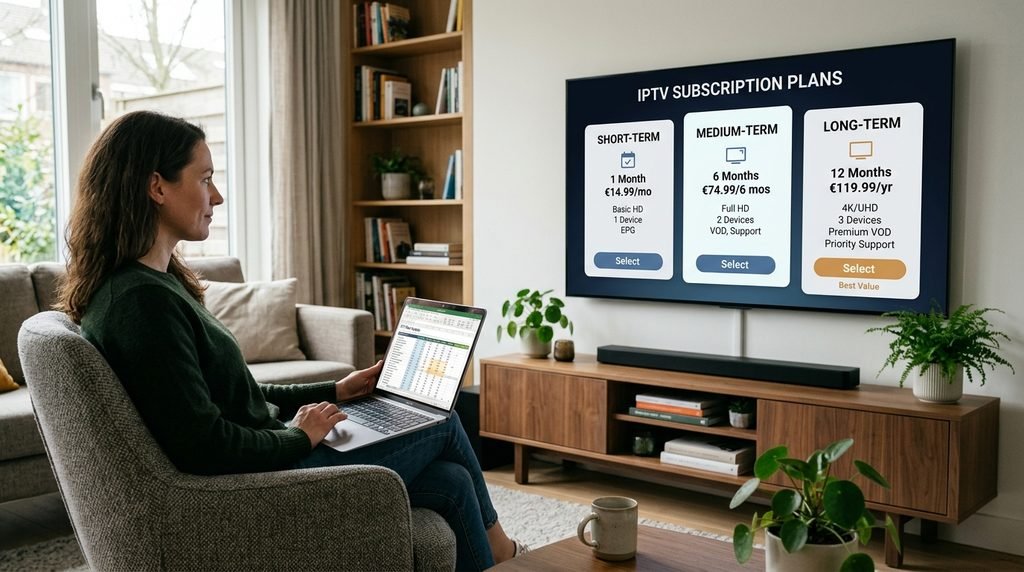
If you are still unsure which plan makes sense, score the decision instead of staring at the price table. Apollo Group TV pricing becomes easier to judge when you rate the areas that actually affect your experience: content fit, device fit, internet confidence, commitment comfort, setup comfort, and expected usage. You do not need a complicated spreadsheet. A simple score from one to five for each category is enough to show whether you are ready for a longer commitment or whether a shorter test period would be safer.
| Category | Score 1 Means | Score 5 Means |
|---|---|---|
| Content fit | You are unsure the channels you need are available | Your must-have content has been confirmed |
| Device fit | You may need new hardware or a different setup | Your current device is ready |
| Internet confidence | You have not tested normal viewing conditions | Your connection is consistently suitable |
| Setup comfort | The installation still feels unclear | You understand the setup process |
| Usage confidence | You may only watch occasionally | You expect to use the service regularly |
| Commitment comfort | You want maximum flexibility | You are comfortable paying for a longer period |
If most of your scores are low or uncertain, Apollo Group TV pricing should probably be viewed through the lens of flexibility. A shorter commitment gives you time to learn without tying up more money than necessary. If most of your scores are high because you have already tested the service and know it fits, comparing the effective monthly cost of a longer plan becomes more relevant. This scorecard is not a mathematical guarantee, but it forces the decision to reflect your real situation instead of advertising language.
Pricing Mistakes That Cost More Than They Save
The biggest Apollo Group TV pricing mistake is buying the longest plan before testing the service on your actual setup. A large discount can make a long subscription look irresistible, but the discount has no value if you later discover that your preferred device is awkward to use, your connection is unstable during peak hours, or the content you wanted is not available. New customers should treat uncertainty as a real cost. Reducing that uncertainty first can be more valuable than minimizing the monthly average on day one.
Another mistake is comparing Apollo Group TV pricing using an old screenshot or third-party post instead of the current plan page. Subscription structures and offers can change, and a price that was accurate months ago may no longer reflect what is available now. It is also easy to focus on total channel quantity instead of your personal must-haves, ignore device requirements until after checkout, or choose a duration because it “looks like the best deal” without thinking about how much of that period you will actually use.
- Do not choose a long plan only because the average monthly cost looks lower.
- Do not assume every channel you can name is included without checking first.
- Do not buy before confirming your preferred device and installation path.
- Do not rely on an old screenshot when a current pricing page is available.
- Do not treat a large content count as proof that the content fits your household.
- Do not lose the purchase and activation details you may need for future support.
A final Apollo Group TV pricing mistake is letting urgency make the decision for you. Apollo Group TV pricing should be compared calmly against your own requirements, not against a fear that you will miss a temporary offer. If the plan makes sense because you have confirmed the content, device, setup, and commitment length, then the purchase has a clear basis. If you are still uncertain about basic compatibility, asking a question before paying is better than trying to solve the uncertainty after the transaction.
A Smarter Way to Choose and Buy a Plan
Once you understand what matters, choosing between the available plans becomes much simpler. Start with your viewing habits, identify your must-have content, confirm the device you want to use, and decide how much uncertainty you still have. Then open the Apollo pricing and packages page and compare the current options against that information. This order matters because it stops Apollo Group TV pricing from controlling the decision before you have defined what good value means for you.
A Practical Buying Sequence
- Decide whether you are testing the service or already know you want long-term access.
- Review the channel list and confirm the content that matters most to you.
- Check the installation guide for the exact device you plan to use.
- Compare the total price and effective monthly cost of the available durations.
- Choose a commitment period that matches your confidence rather than the biggest discount.
- Save the purchase, account, and activation information after checkout.
- Complete setup and test several channels under normal viewing conditions.
- Reassess the value before your next renewal instead of renewing automatically.
This sequence gives Apollo Group TV pricing a clear context. A short plan can be the better financial decision when it protects you from buying unused time, while a longer plan can become the better value once you know the service fits. If you have a question about the current plans, setup, or device compatibility before purchasing, you can message the support team on WhatsApp and ask for clarification rather than guessing.
How to Compare Apollo Group TV Pricing at Renewal
Your best choice today is not automatically your best choice at the next renewal. Apollo Group TV pricing should be reviewed again after you have real usage history because you now know things that were impossible to know before subscribing. Look back at how often you watched, whether the channels you expected to use actually mattered, how the service performed on your connection, and whether the setup was convenient for the household. Those answers can justify moving to a longer duration, staying flexible, or reconsidering whether the service still fits.
Returning users comparing Apollo Group TV pricing also have one advantage that new buyers do not: evidence. Instead of estimating how much value you might receive, you can evaluate how much value you actually received. If you used the service regularly and had few problems, Apollo Group TV pricing may be easier to justify over a longer term. If you barely used it, spent much of the subscription away from home, or found that the channels you expected to watch were not important, a shorter renewal may be more sensible even when the long plan looks cheaper per month.
Frequently Asked Questions About Apollo Group TV Pricing
How Much Does Apollo Group TV Cost?
Apollo Group TV pricing depends on the subscription options available at the time you buy, so the most accurate way to check the current amount is to visit the current Apollo Group TV pricing page. Avoid basing the decision on an old screenshot or a third-party post because plan structures and offers can change. Once you see the current choices, compare both the total payment and the amount of time included rather than focusing on only one number.
Does Apollo Group TV Pricing Guarantee Every Channel?
No price should be treated as a guarantee that every channel you can think of is available. Review the channel list for the content that matters to you and ask for clarification when something important is unclear. Apollo Group TV pricing is easier to judge when you compare it against the specific channels and categories you plan to watch rather than against a large overall content count.
Do I Need to Buy Extra Equipment?
That depends on the devices you already own and the installation method they support. Before judging Apollo Group TV pricing solely by the subscription amount, check the installation guide for your Smart TV, Firestick, Android device, phone, tablet, or computer. If your current hardware works with the required setup, your real starting cost may remain close to the plan price; if new hardware is needed, include that in your decision.
Should I Choose the Plan With the Biggest Discount?
Not automatically. A discount only creates value when the duration and service fit your needs. Apollo Group TV pricing should be compared against how much you expect to watch, how confident you are in the setup, and whether you are comfortable committing for the entire period. A smaller discount on a shorter plan can be the better decision when you are still testing, while a longer option may be stronger for an established user who already knows the service works well.
Can I Ask About Pricing Before I Subscribe?
Yes. If something about the current plan lengths, device setup, or content is unclear, you can contact support through WhatsApp before purchasing. That is especially useful when Apollo Group TV pricing looks attractive but you are not yet sure whether your preferred device or content needs match the plan. Clarifying the uncertainty before payment is usually easier than trying to solve it afterward.
What Should I Check Before Renewing?
Review how much you actually used the service, whether the content still matches your priorities, whether your device setup remains convenient, and whether your viewing schedule is likely to stay similar. Then compare the current Apollo Group TV pricing with that real usage history. A longer renewal can make sense when you use the service consistently, while a shorter option can protect flexibility if your viewing habits are changing.
Final Verdict: Is Apollo Group TV Pricing Good Value?
Apollo Group TV pricing can represent good value when the subscription length, content, device, and viewing habits line up. The strongest plan is not automatically the cheapest upfront option or the plan with the lowest monthly average. A first-time buyer may get more value from flexibility because it reduces the risk of paying for unused time, while an established user may reasonably prioritize a longer duration and fewer renewals. The decision becomes much easier once you stop treating price as the only variable.
Before paying, confirm the channels you care about, check the installation route for your device, think about how often you will actually watch, and choose a commitment period that matches your confidence. Use the current Apollo Group TV pricing page rather than old screenshots, keep your purchase information available, and ask support when an important detail is unclear. That approach gives you a better chance of choosing a plan because it fits your household rather than because the discount looked attractive for a few seconds.